



The last group of talents seconded to International Institute of Entrepreneurship, Samobor, Croatia and 10th BEE Conference
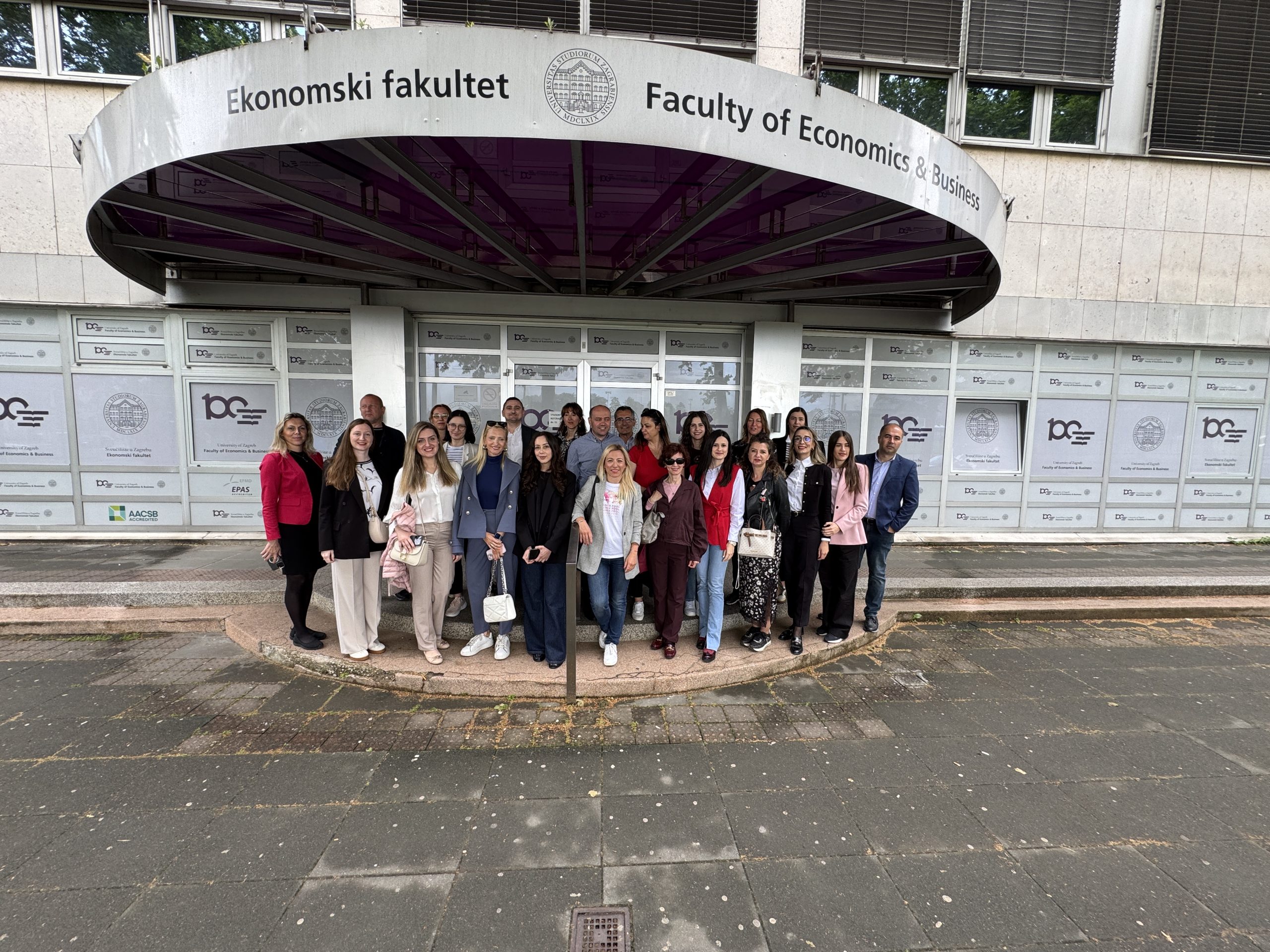
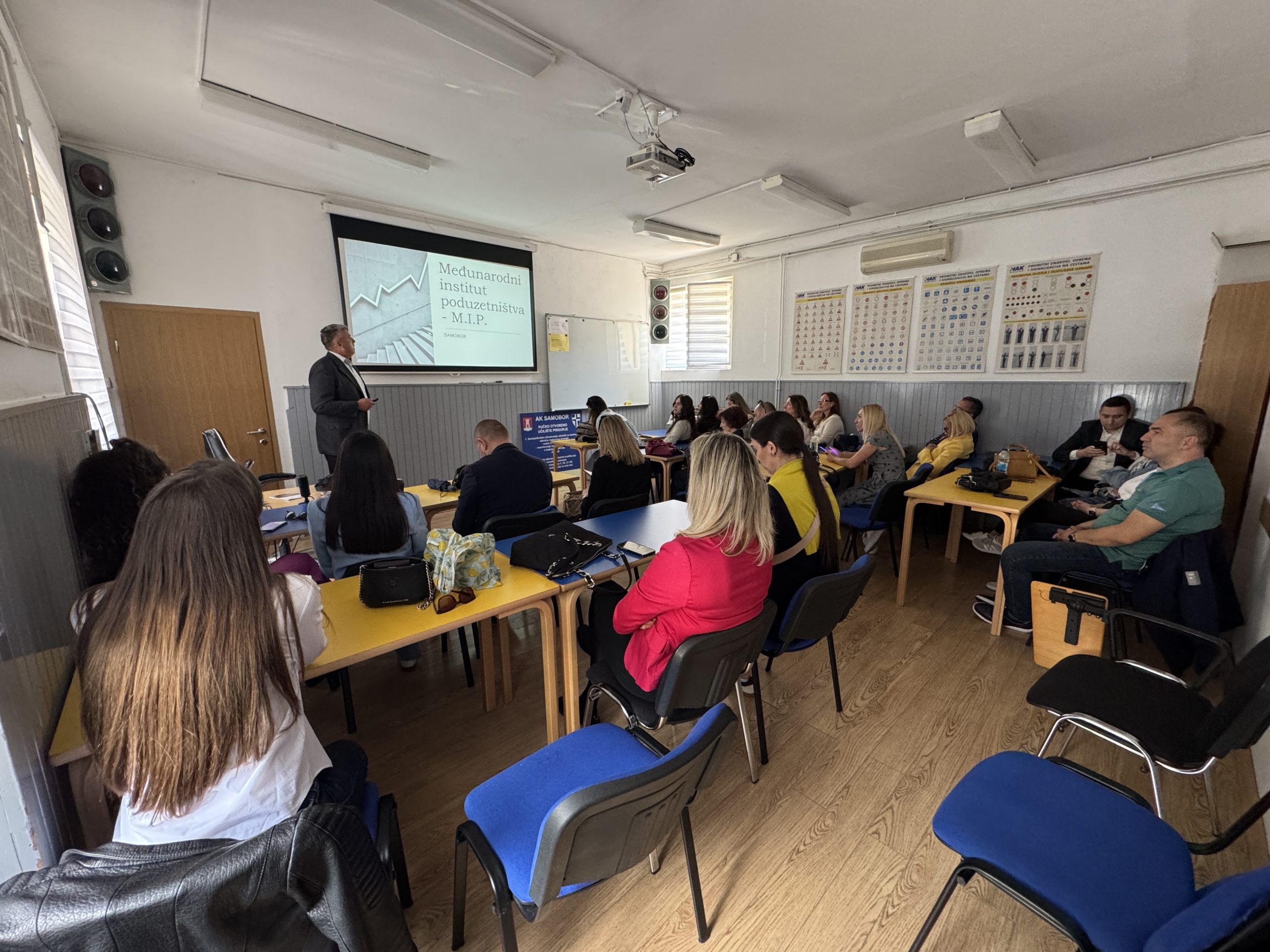
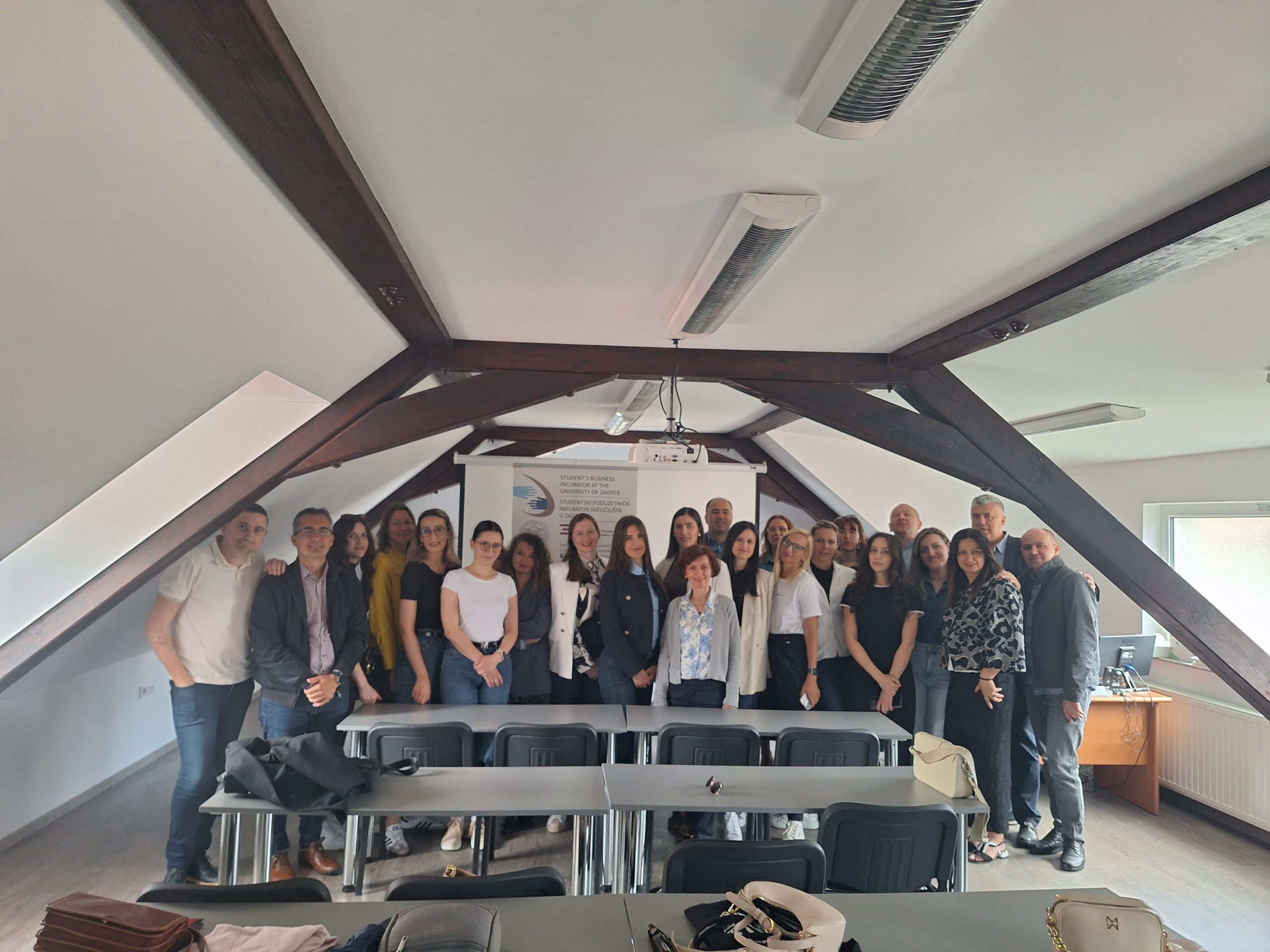
From May 18 to 31, 2025, 23 researchers from four widening countries, Serbia, Albania, Bosnia & Herzegovina and North Macedonia, participated in the first part of the last secondment within the USE IPM project. The partner from Croatia was the International Institute of Entrepreneurship (IIE) in Samobor and the host was led by Professor Marko Kolaković. Activities were implemented in Samobor and Zagreb, During the week, the researchers:
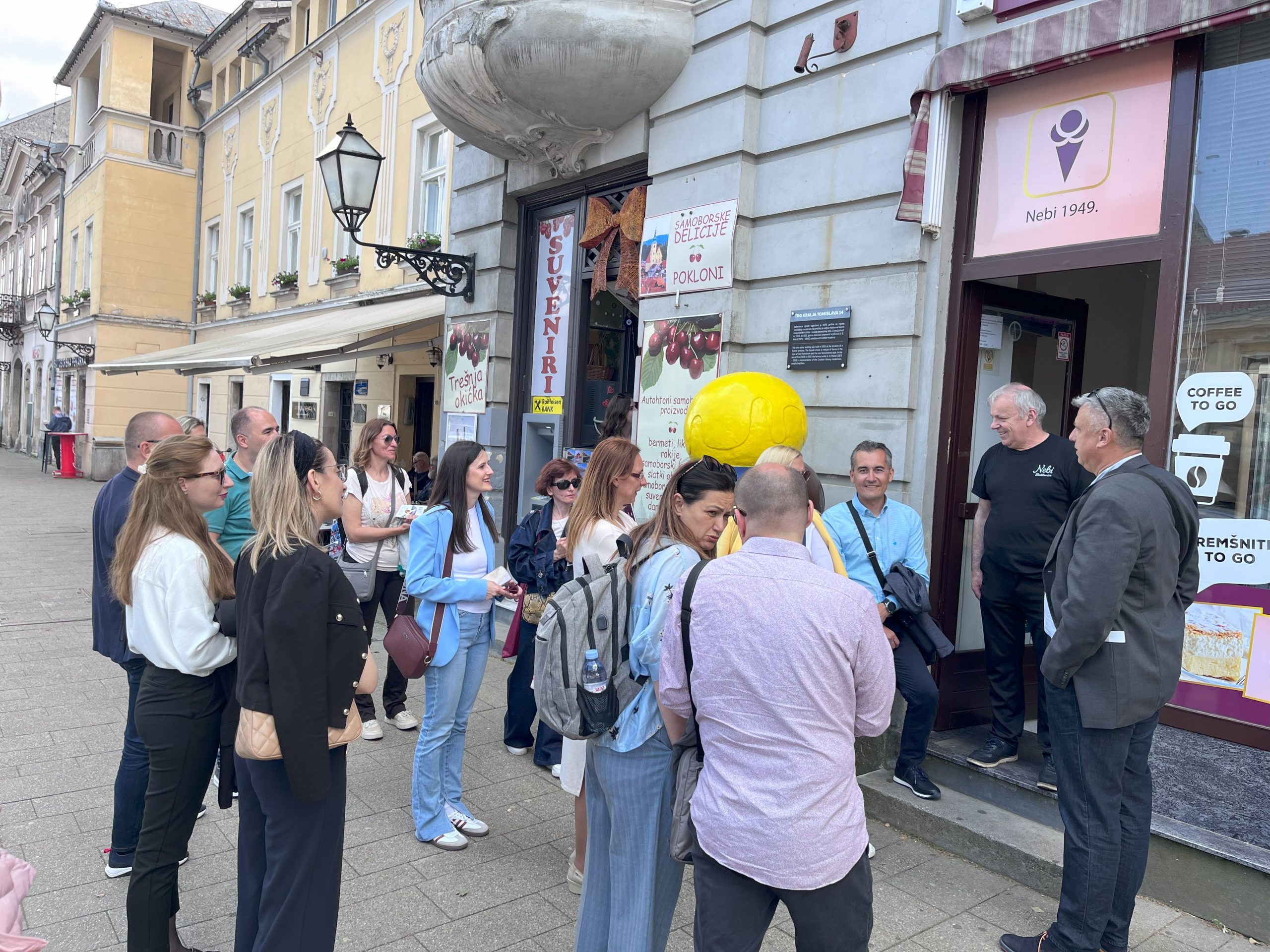
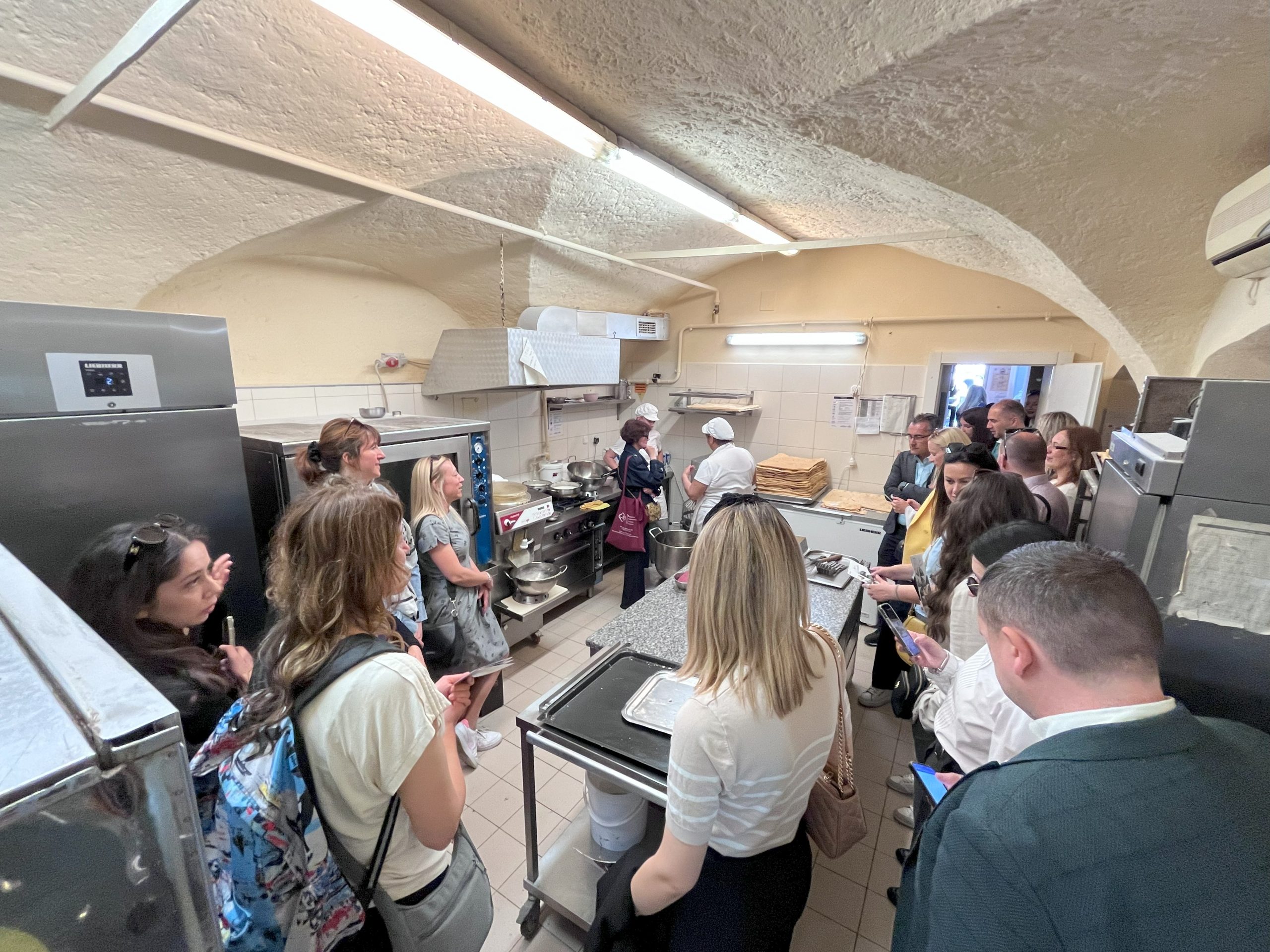
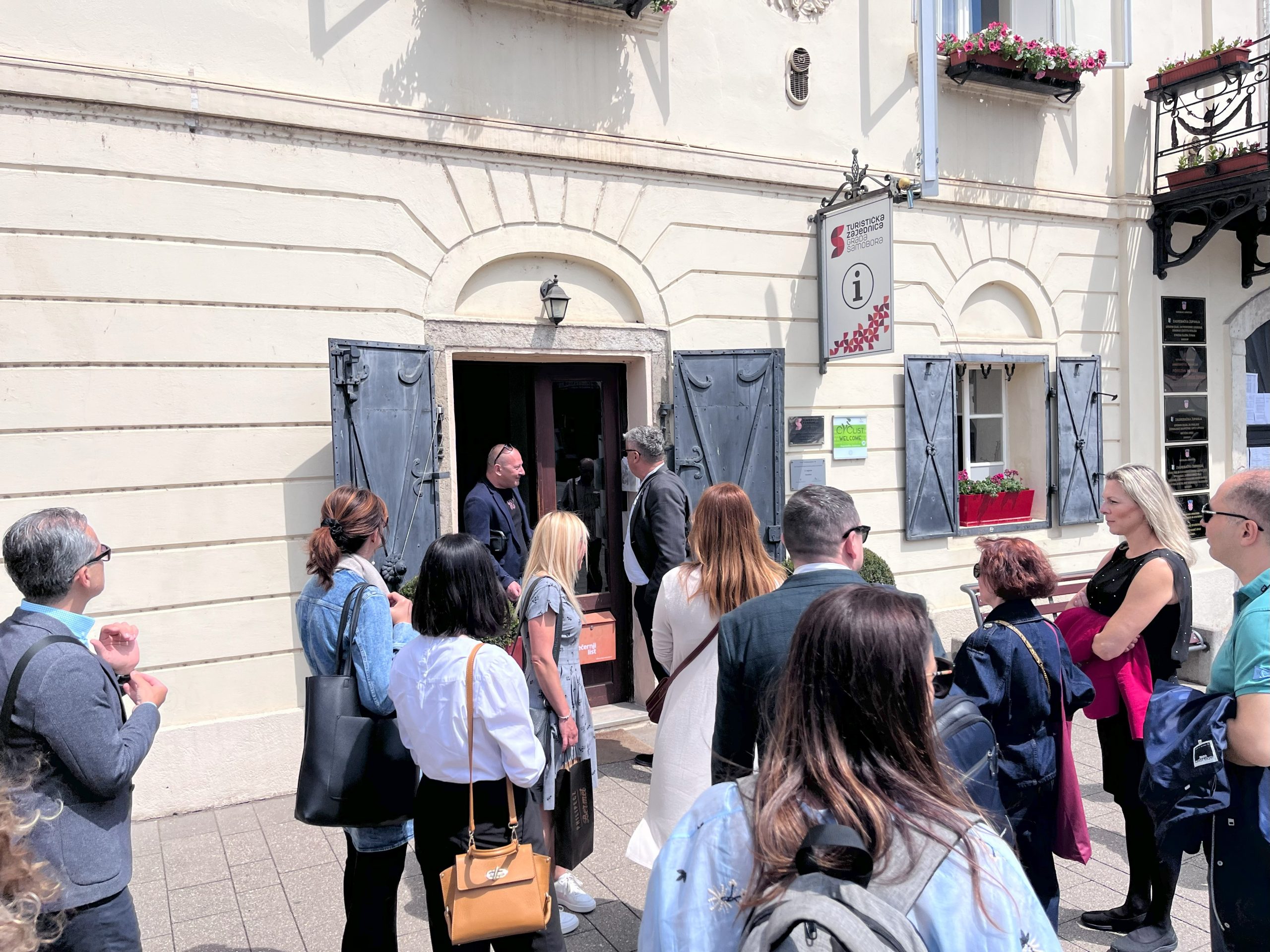
- Participated in discussion on strategic entrepreneurship and a tour of Samobor when they had chance to meet local entrepreneurs, mostly engaged in craft entrepreneurship,
- Held a meetings and fruitful discussion with the entrepreneurs, including:
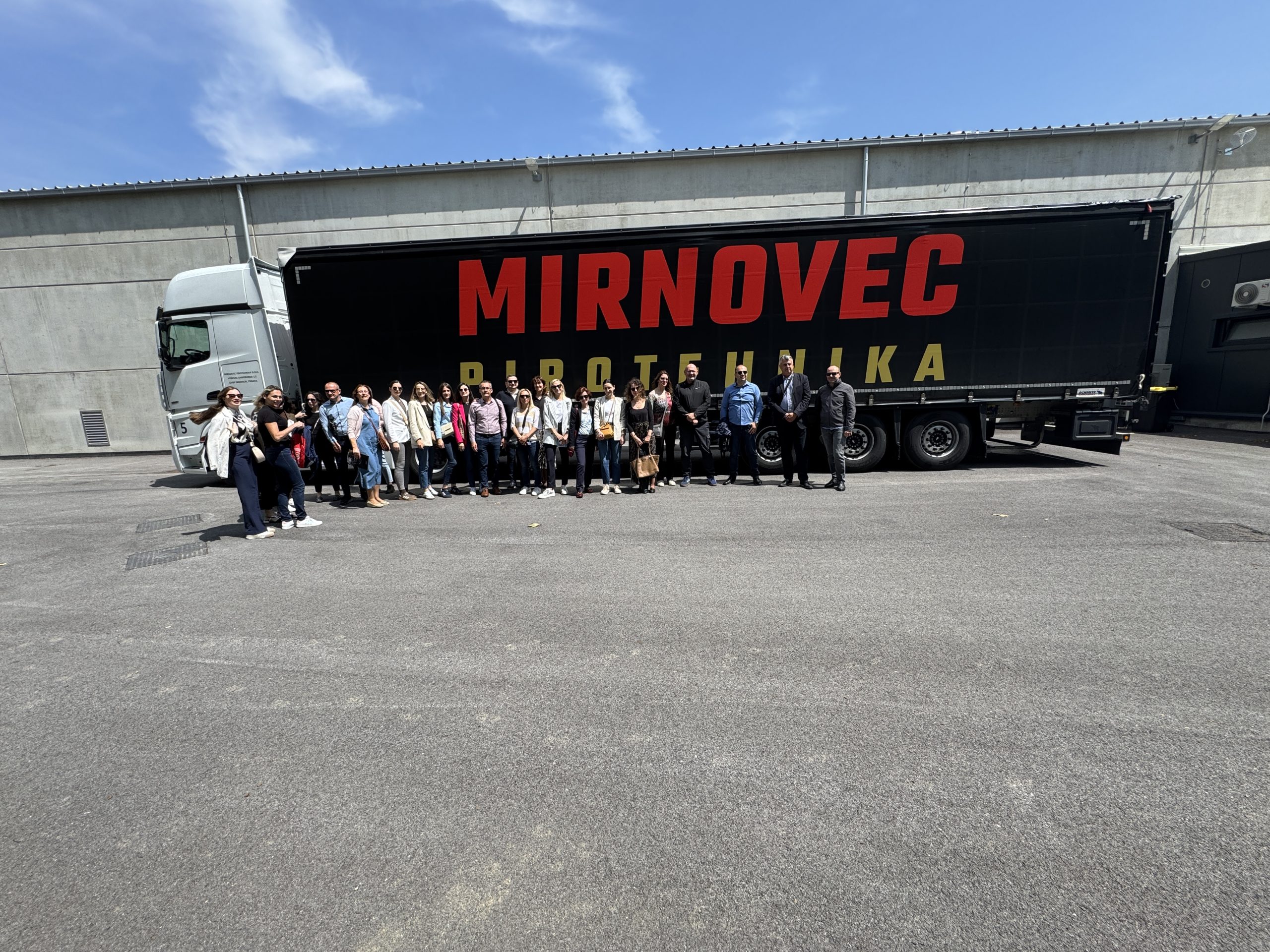
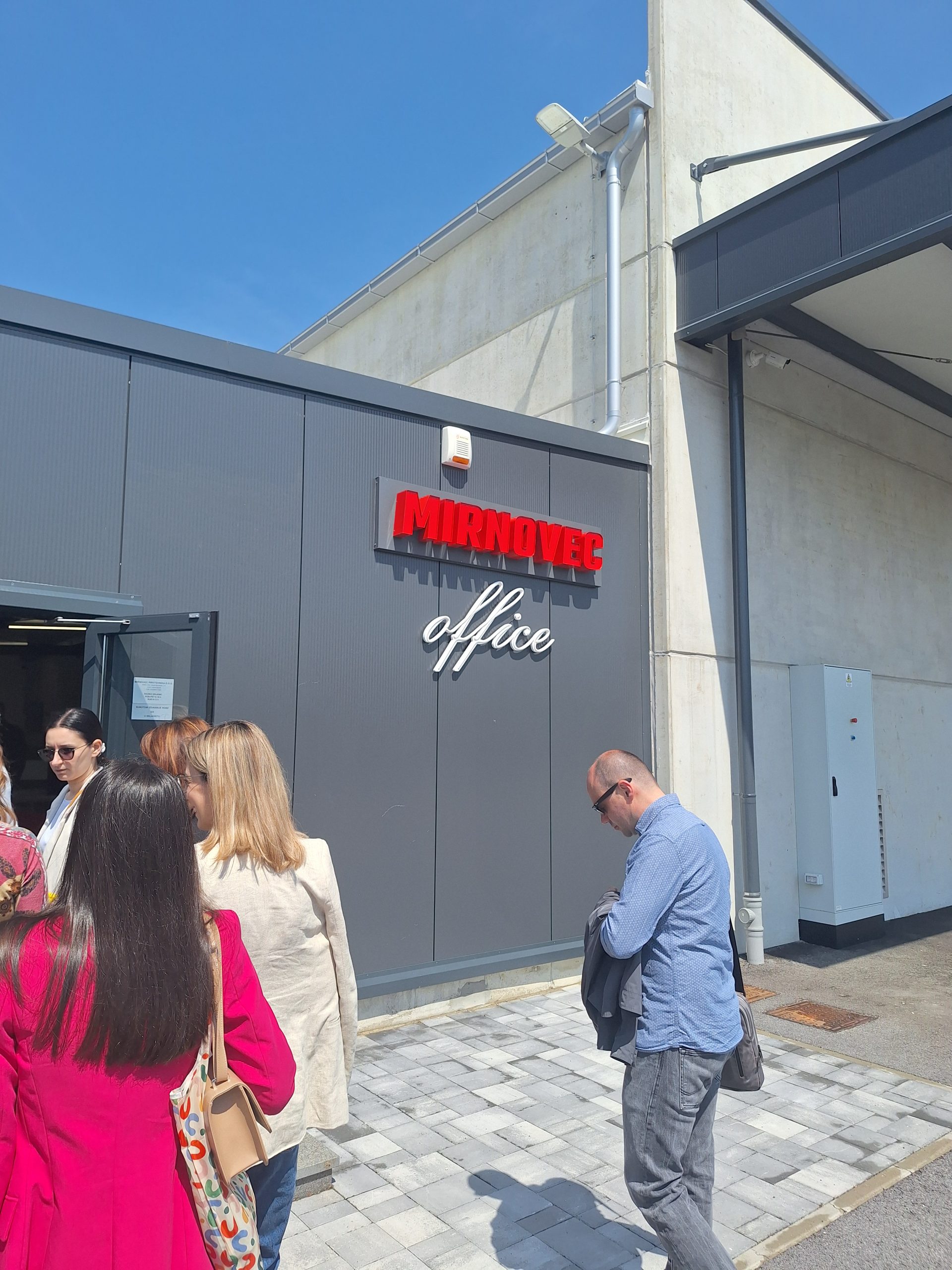
- Mirnovec Pyrotechnics (https://www.mirnovec.hr/en) / Ethno Village Mirnovec (https://www.etnofarma.hr/) – a leading pyrotechnics company in the Western Balkans, which has also developed a family-friendly tourist complex for events;
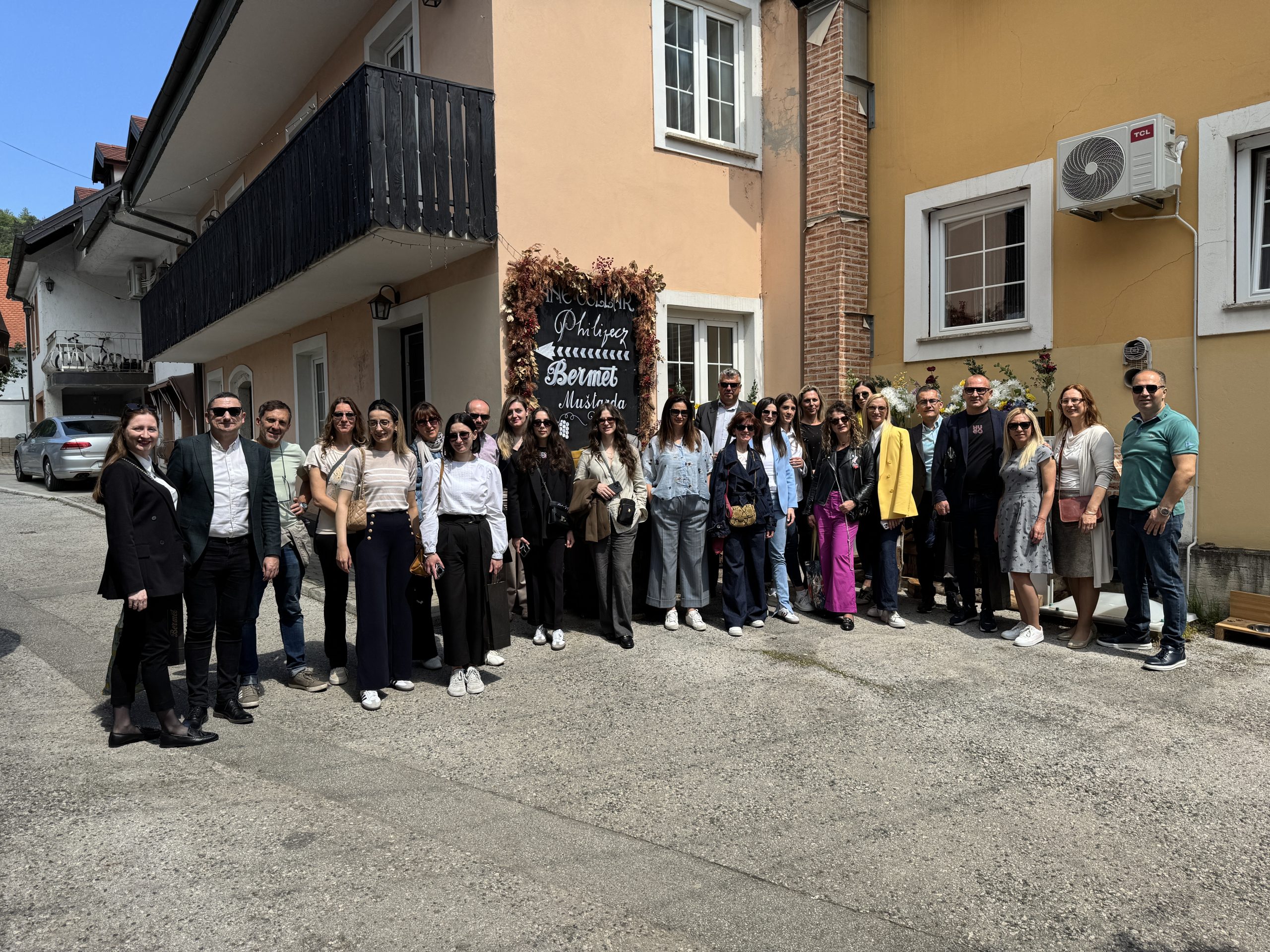
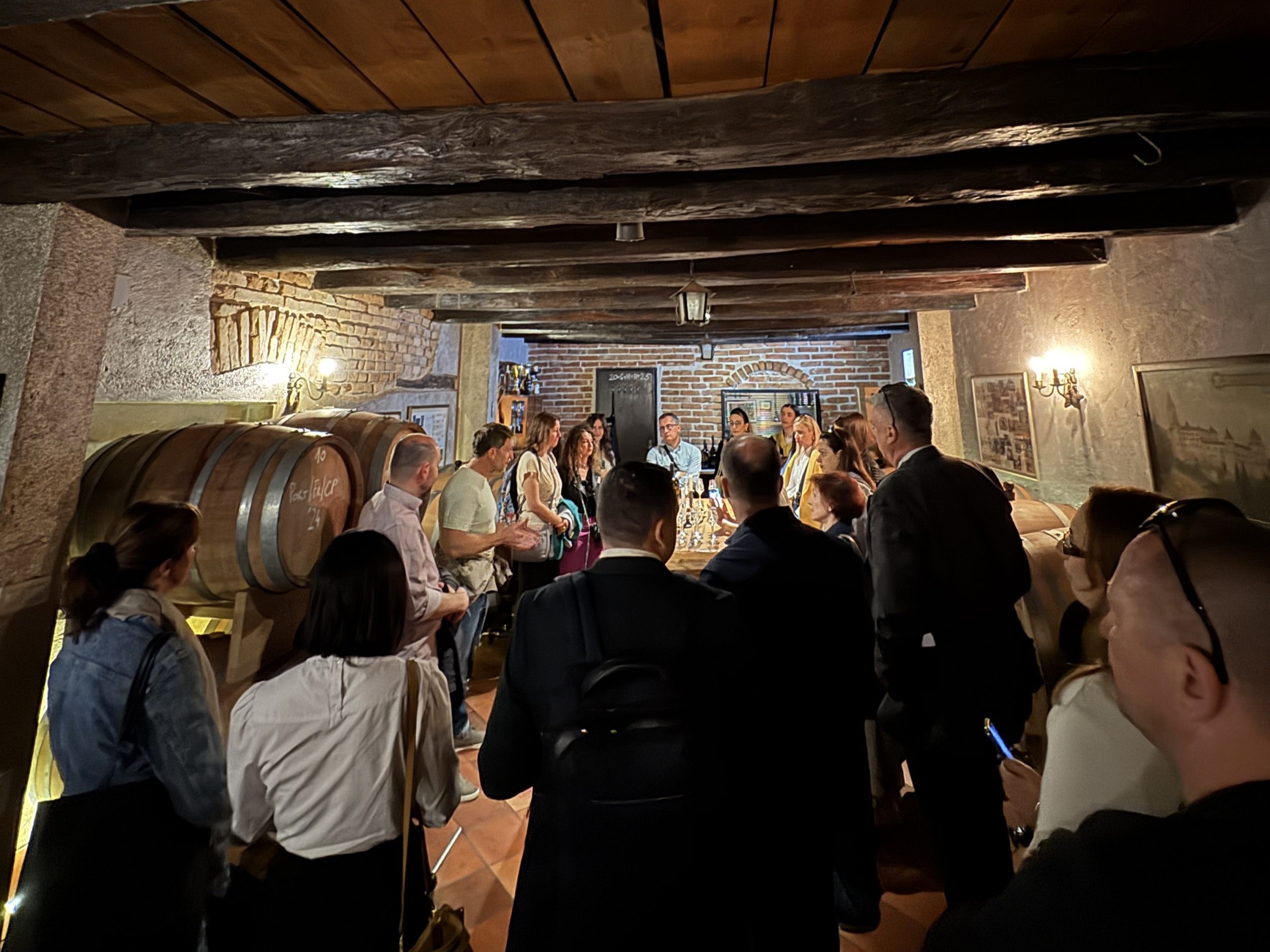
- Filipec Cellar (https://lnkd.in/dgeQiGzY) – a family business renowned for its traditional production of the aromatic Samobor wine Bermet and mustard, a specific type of mustard;
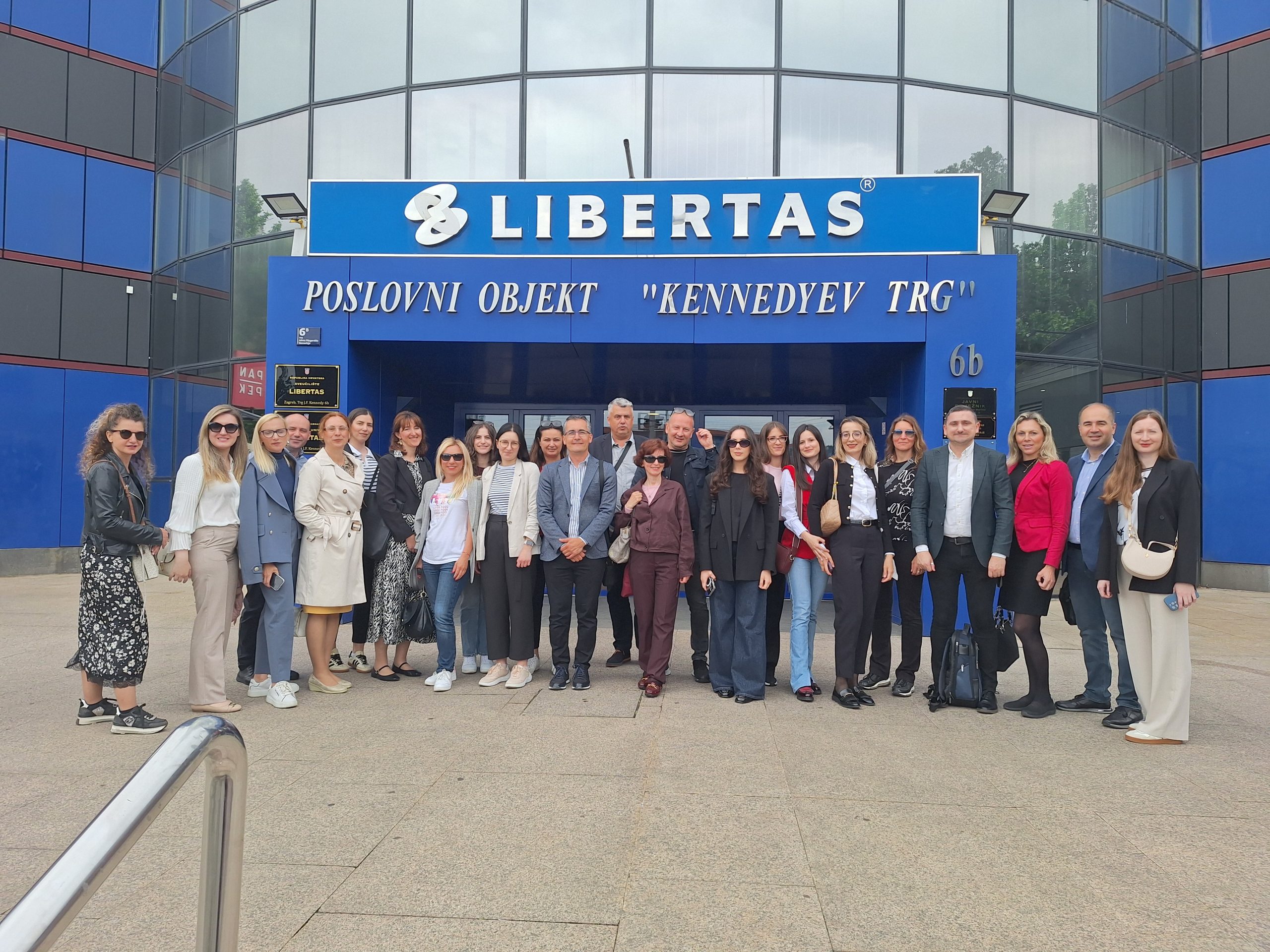
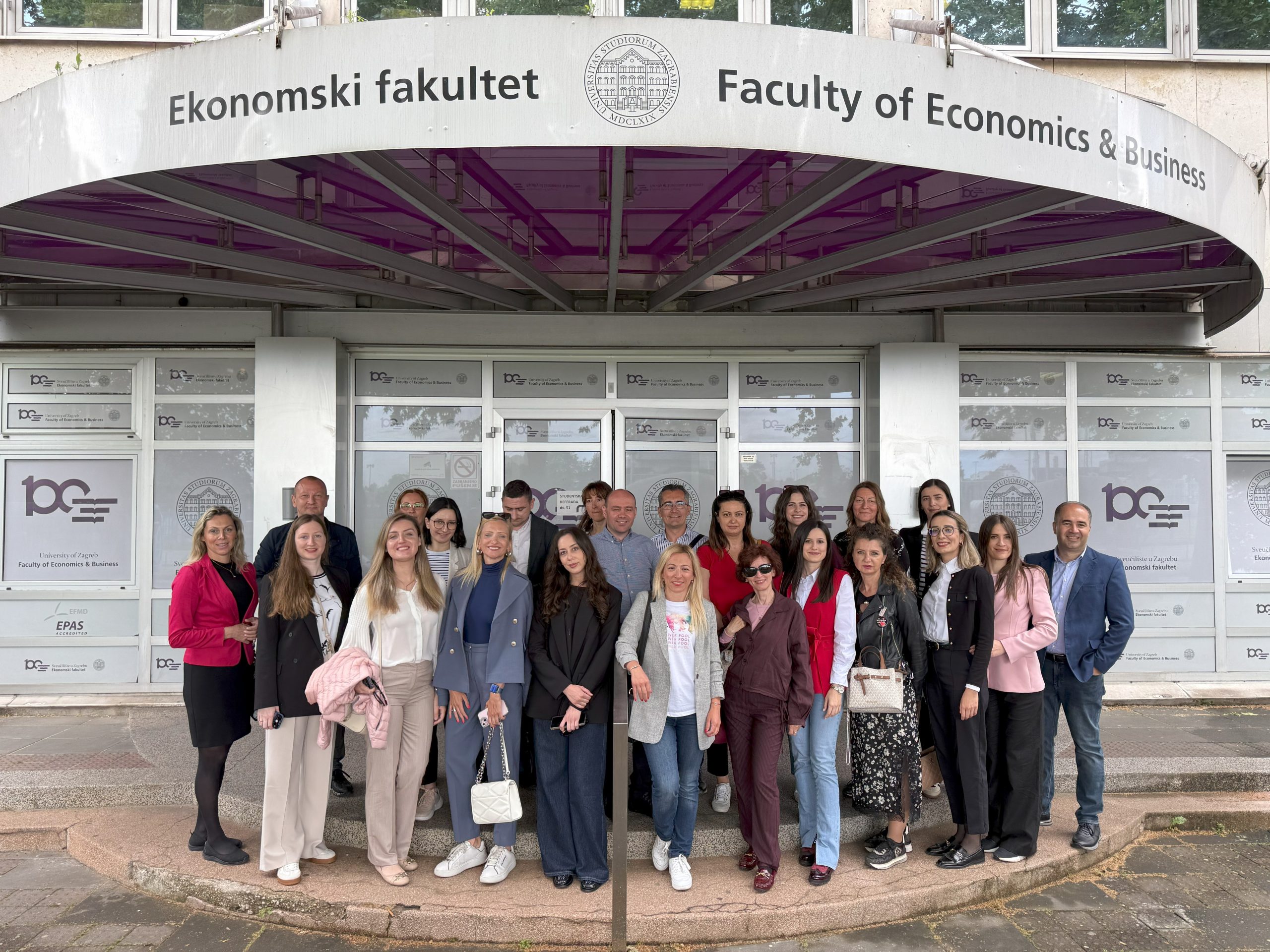
- Visited student entrepreneurial incubators at the Faculty of Economics, University of Zagreb, and Libertas University and developed their own ideas on modus operandi of the centres for entrepreneurship and innovation,

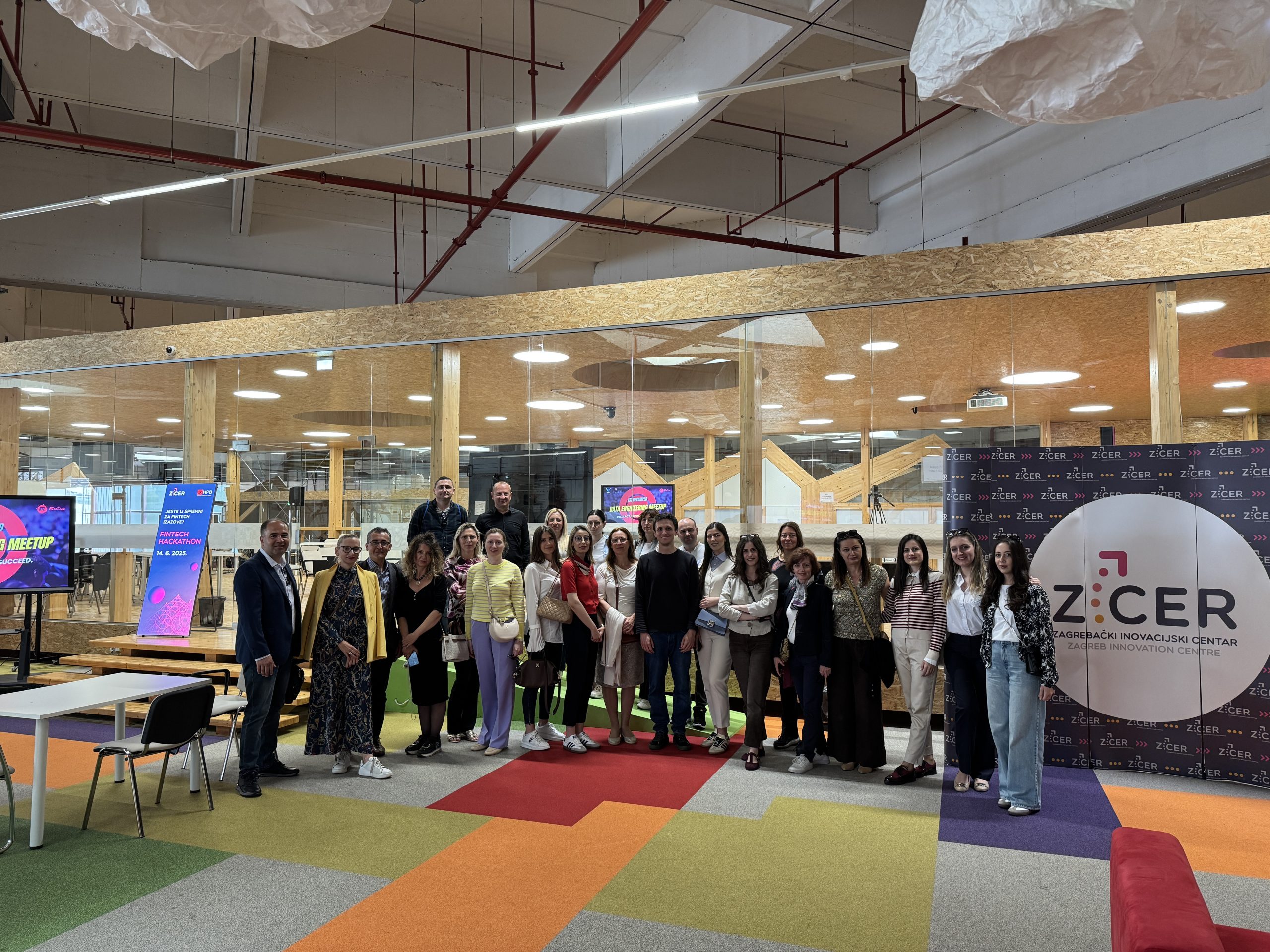
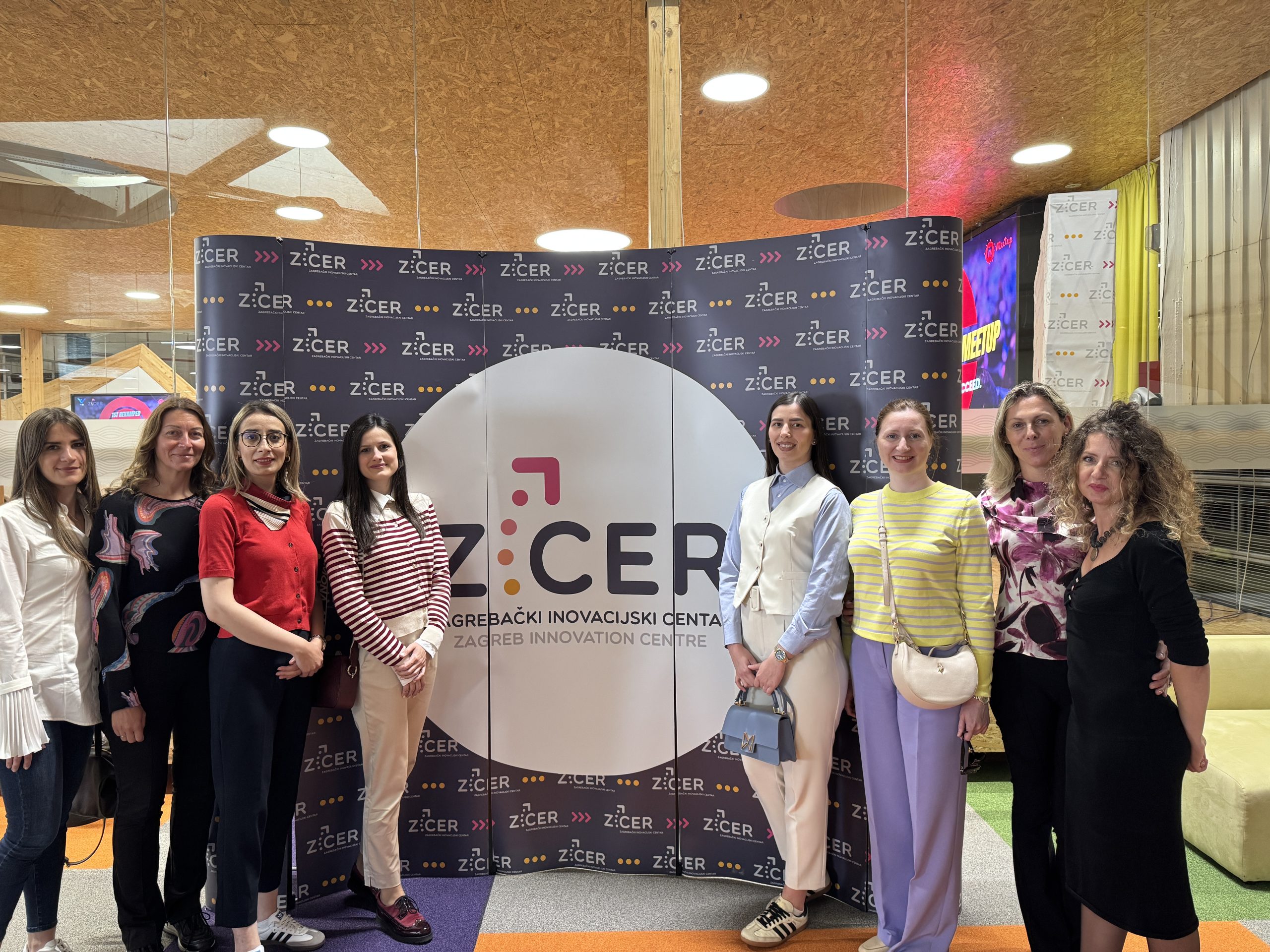
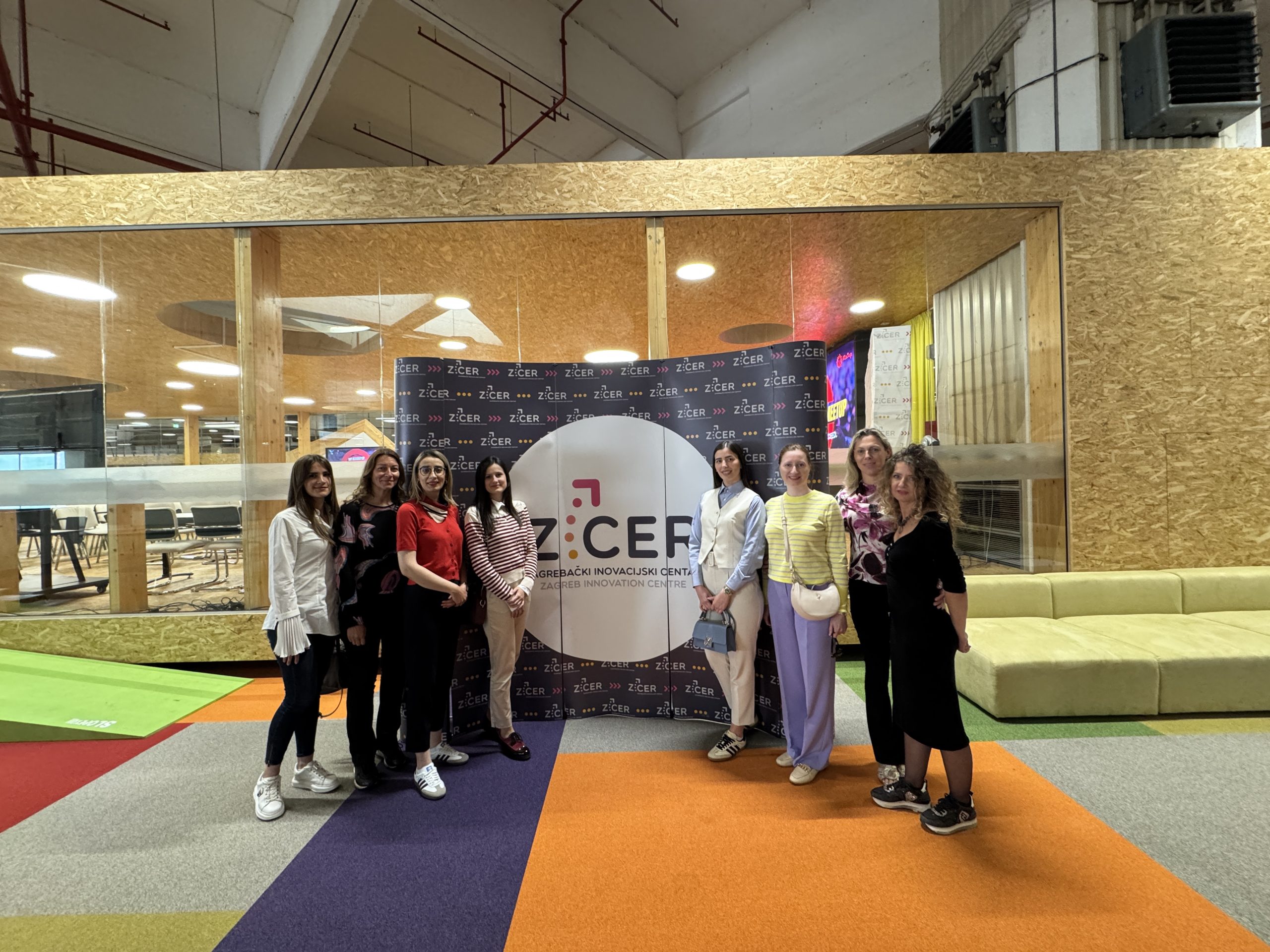
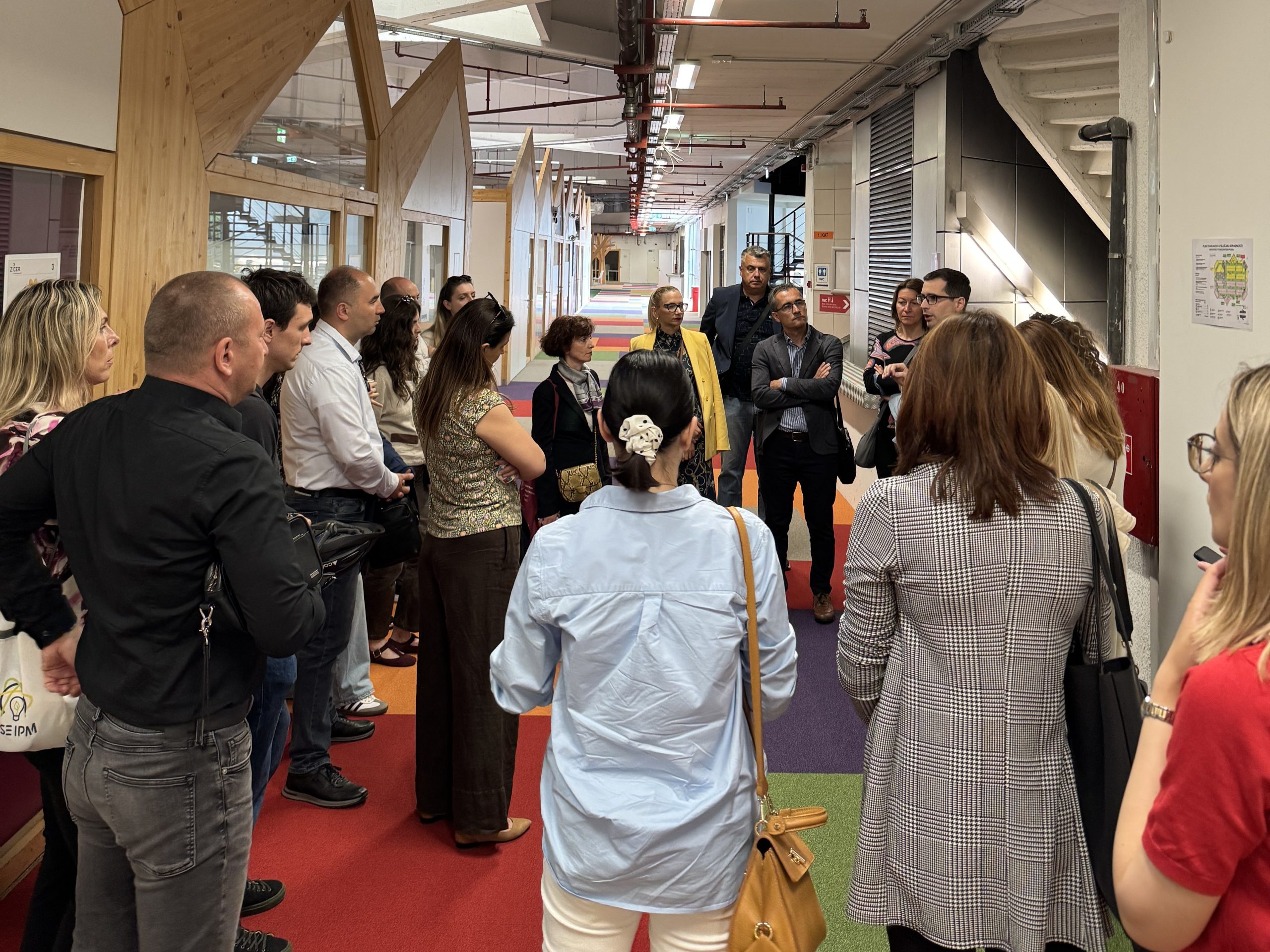
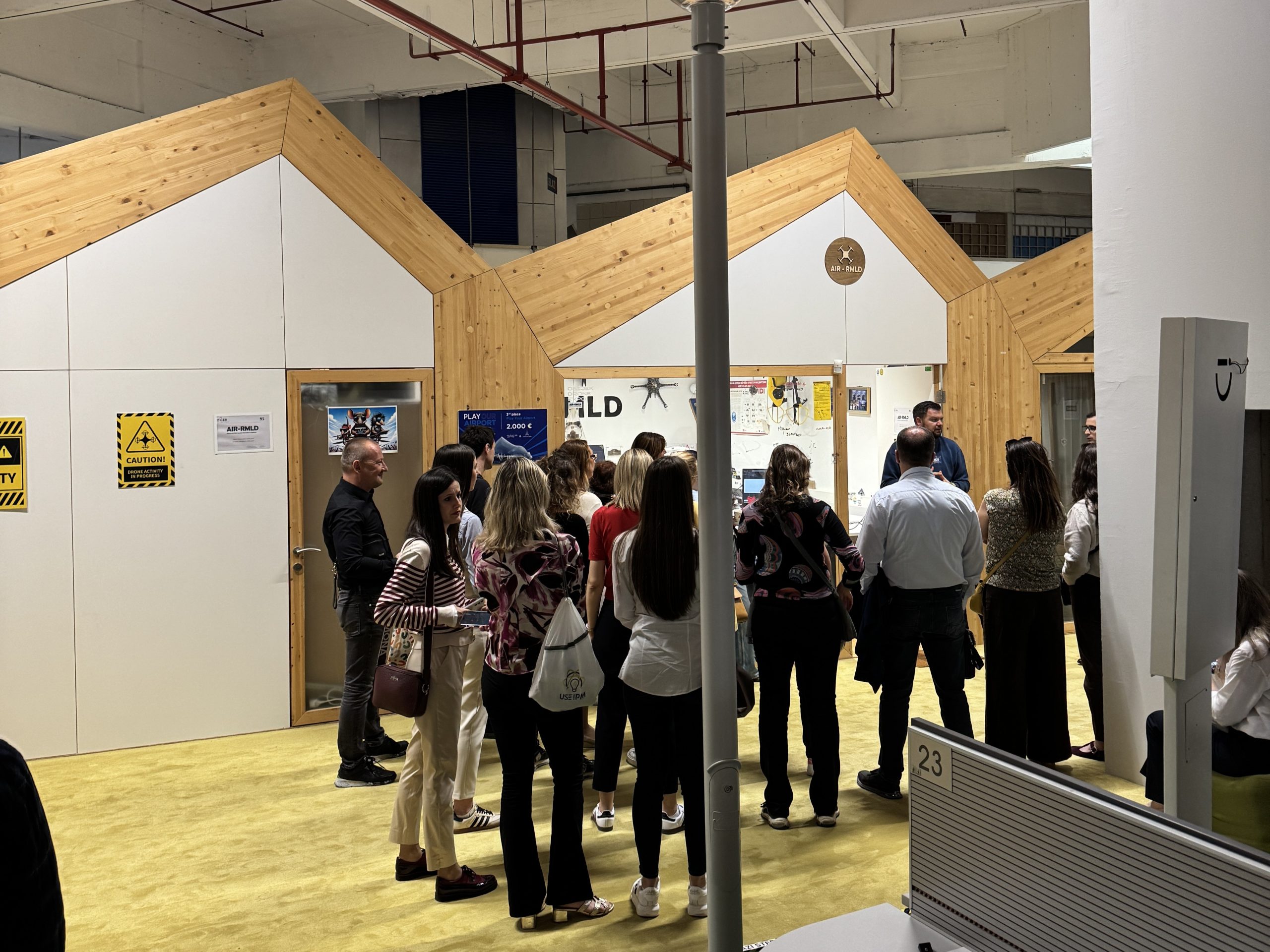
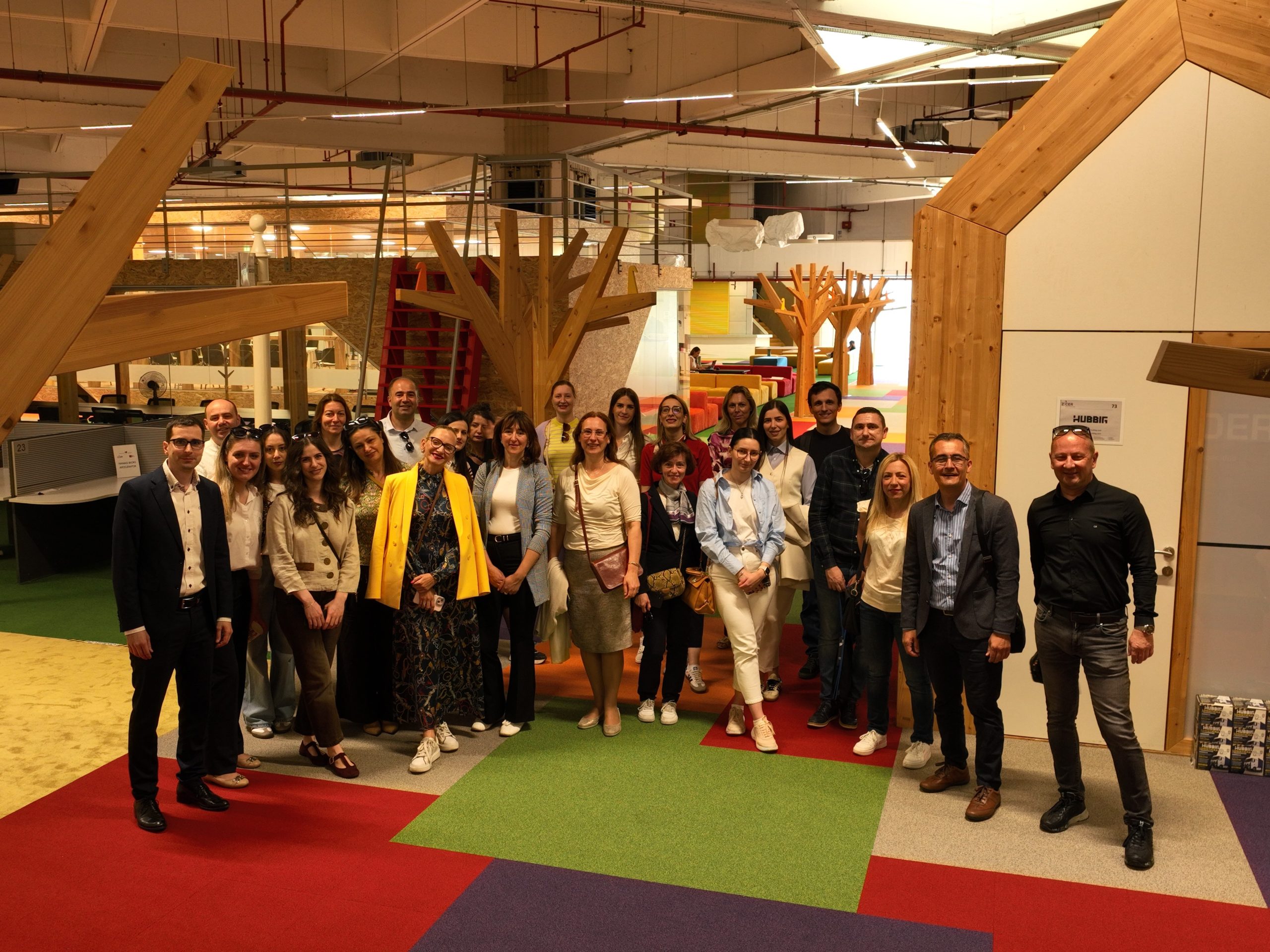
- Visited ZICER – Zagreb Innovation Centre (https://www.zicer.hr/) at the Zagreb Fairgrounds and exchanged their insights with entrepreneurs and start-ups as ZICER tenants, but also learned about benefits and challenges of doing business at the EU market,
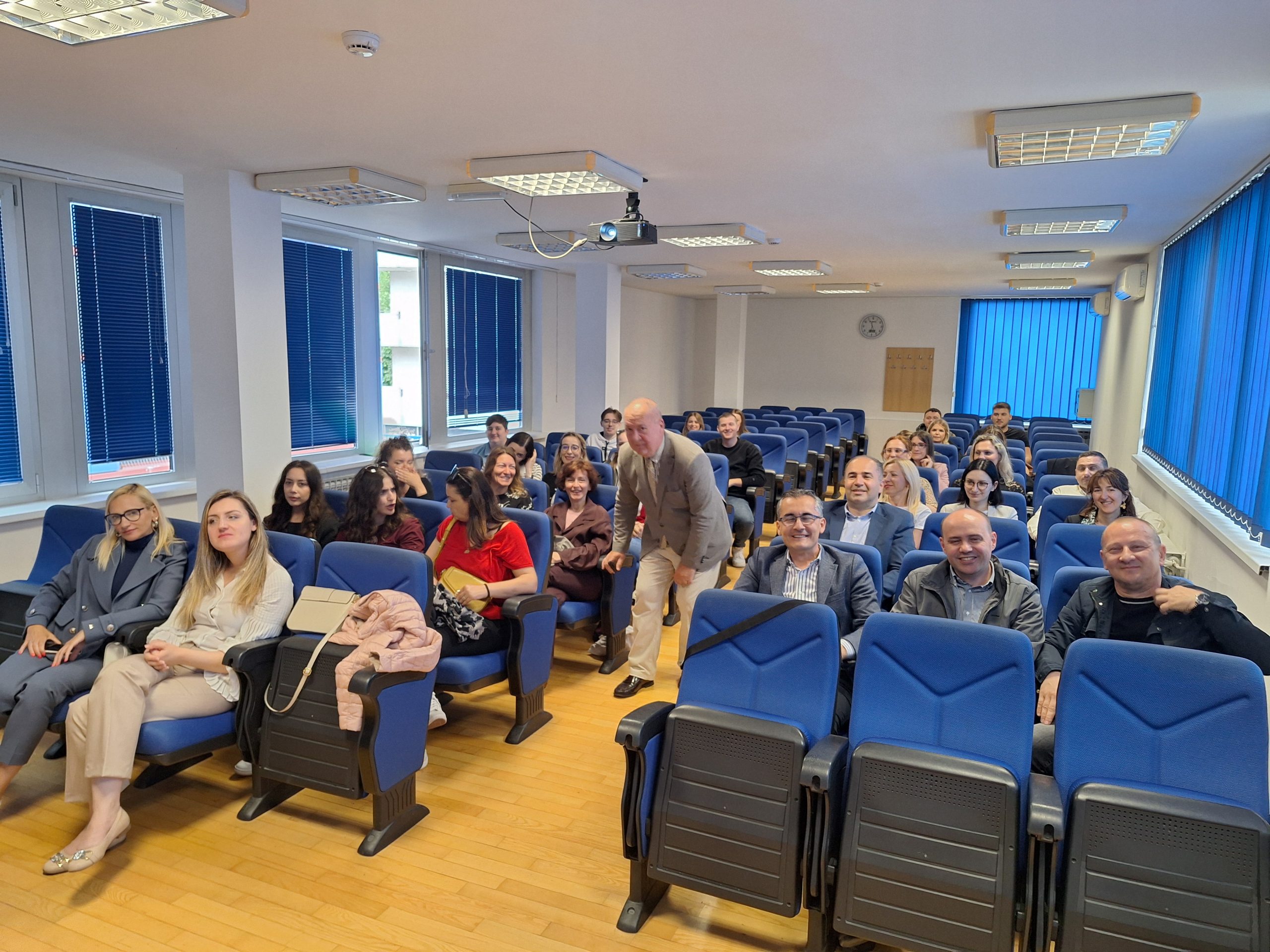
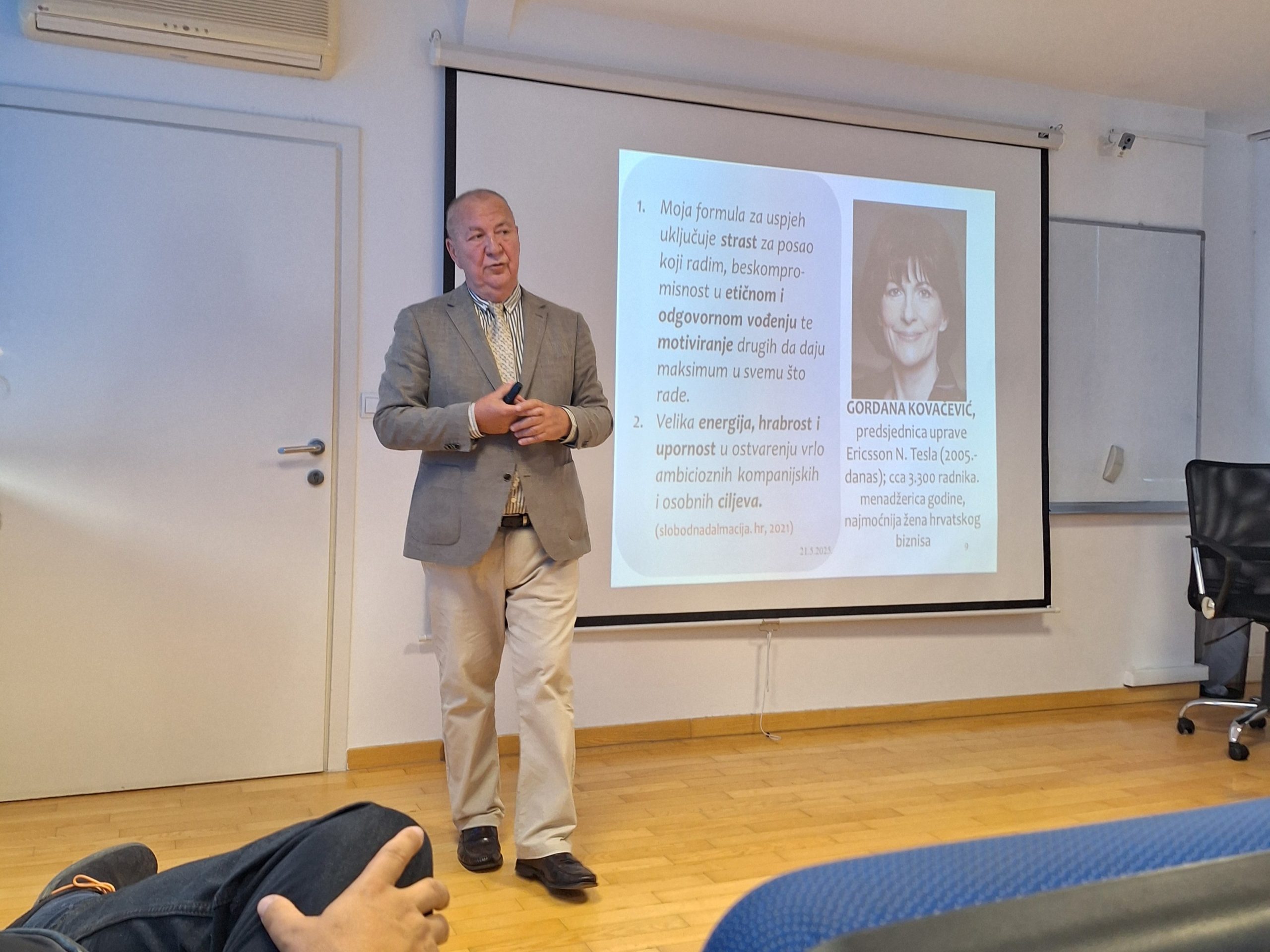
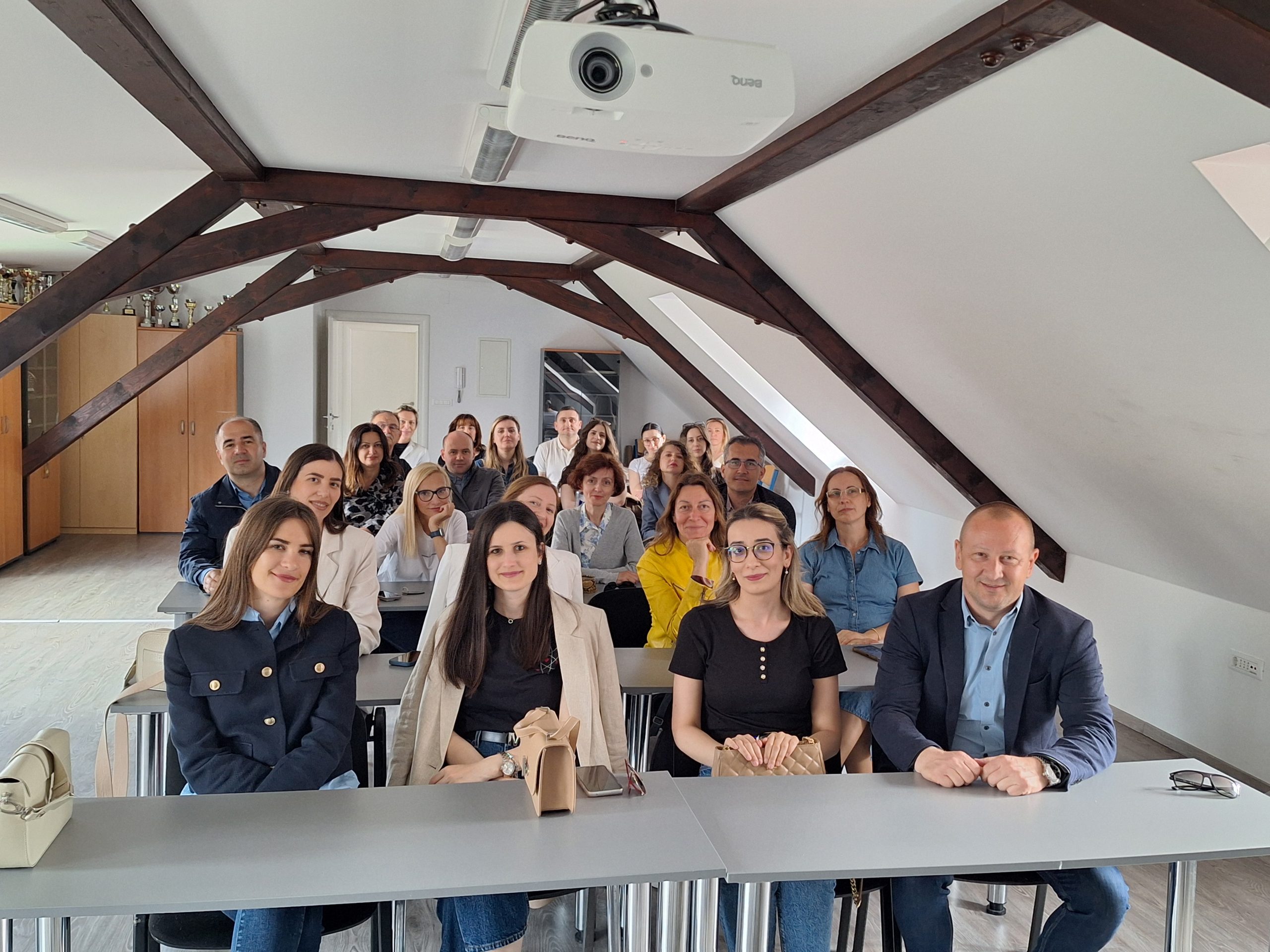
- Participated in a workshop on the essential steps for launching and managing student business incubators at higher education institutions, led by Professor Marko Kolaković,
- Visited Craft fair in Samobor (https://www.samobor.hr/visit/samobor-craft-festival-c64) and discussed with local craft entrepreneurs, their motivation and challenges,
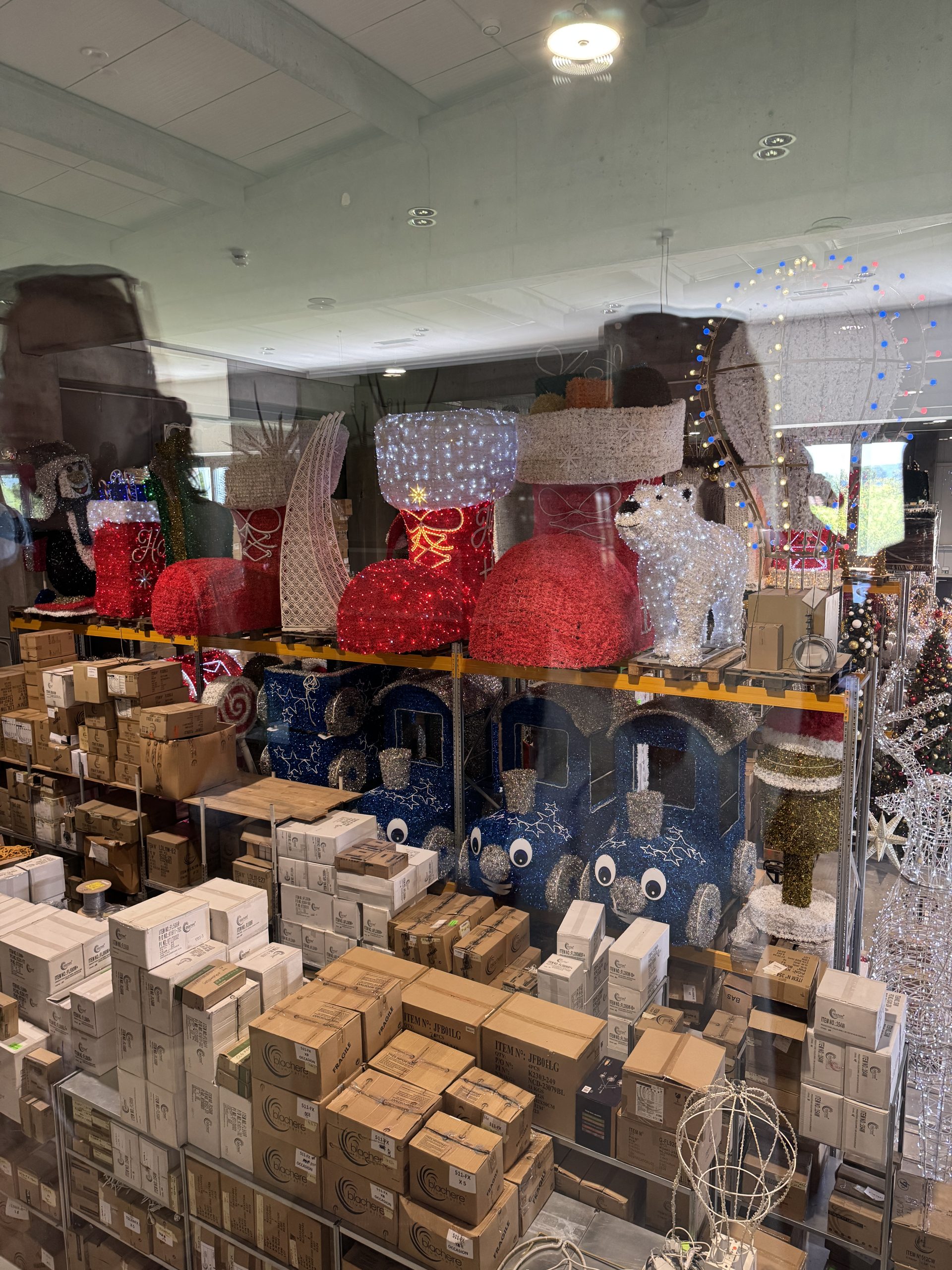
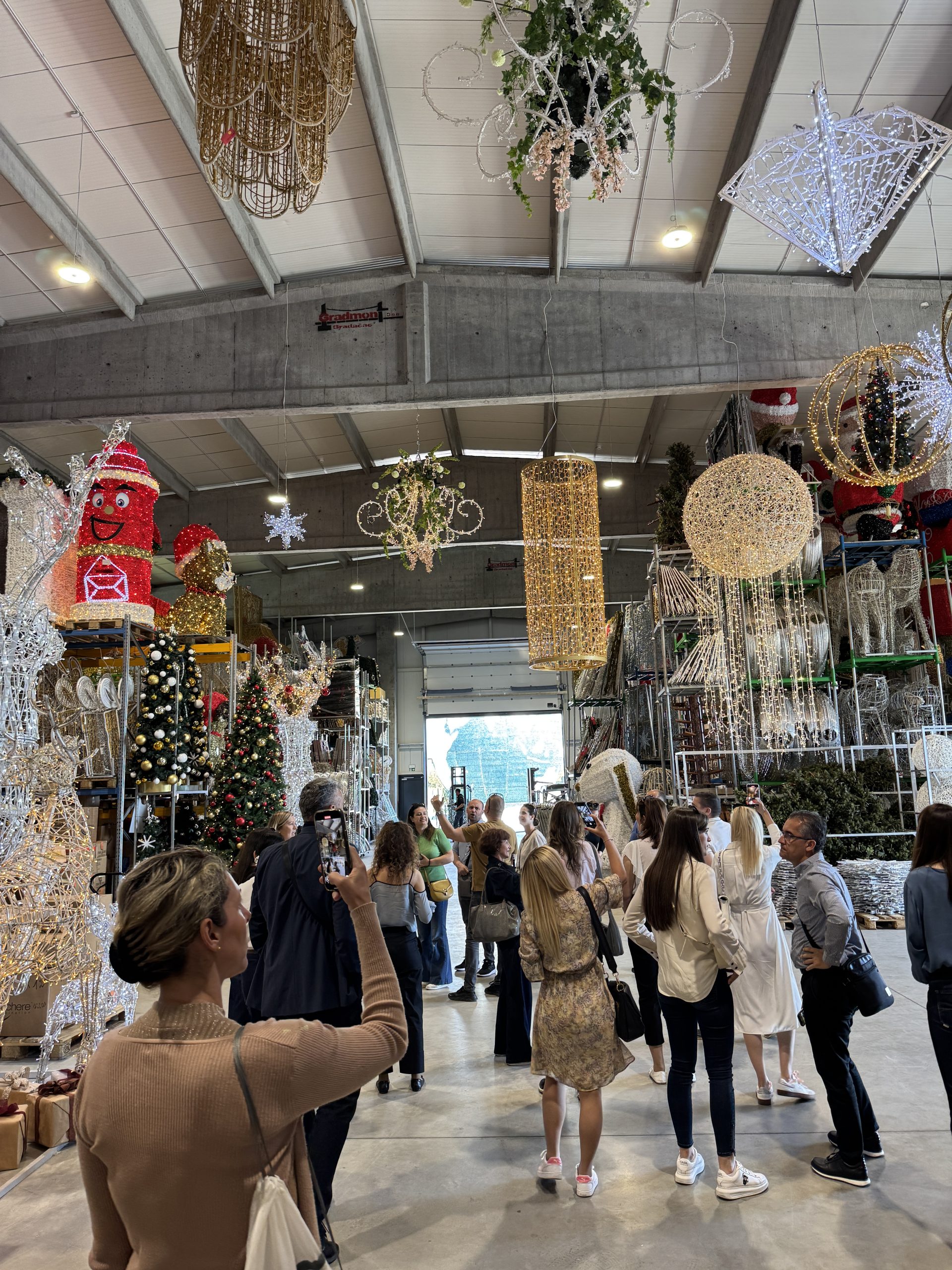
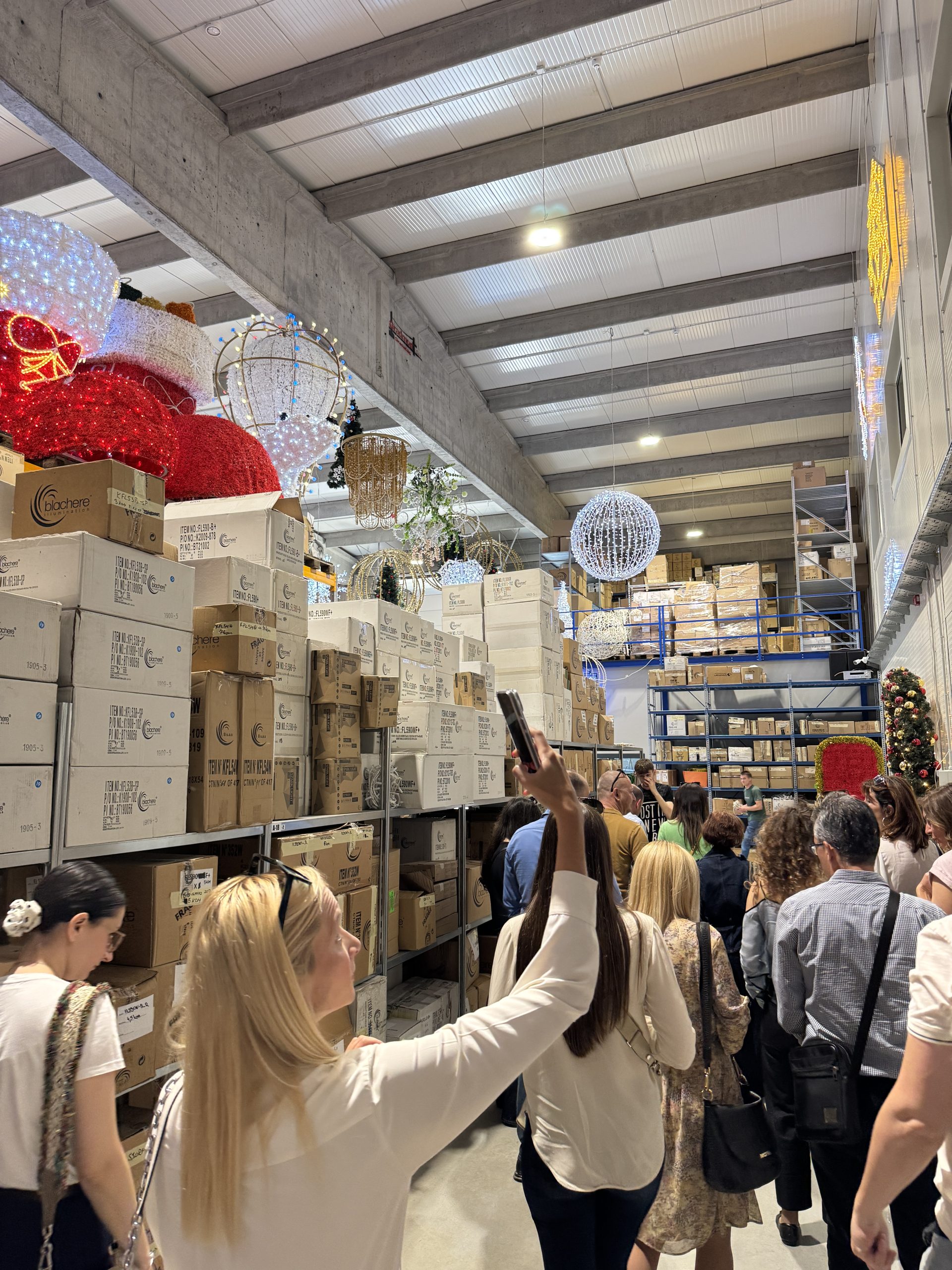
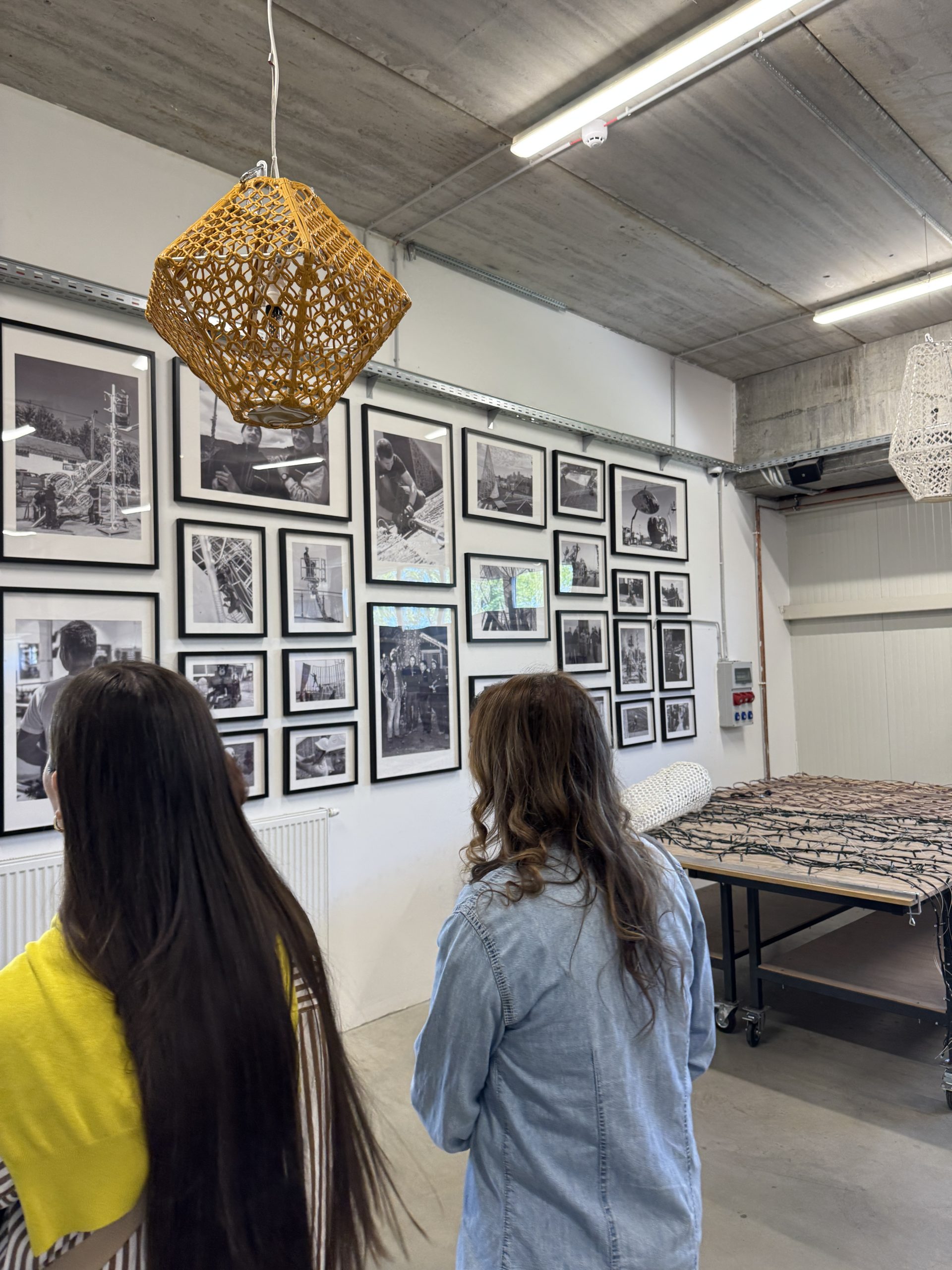
- Held Expert panel and meeting with local entrepreneurs, including a visit to the company Blachere Illumination – Gospodarisvjetla d.o.o. (https://gospodarisvjetla.hr/),
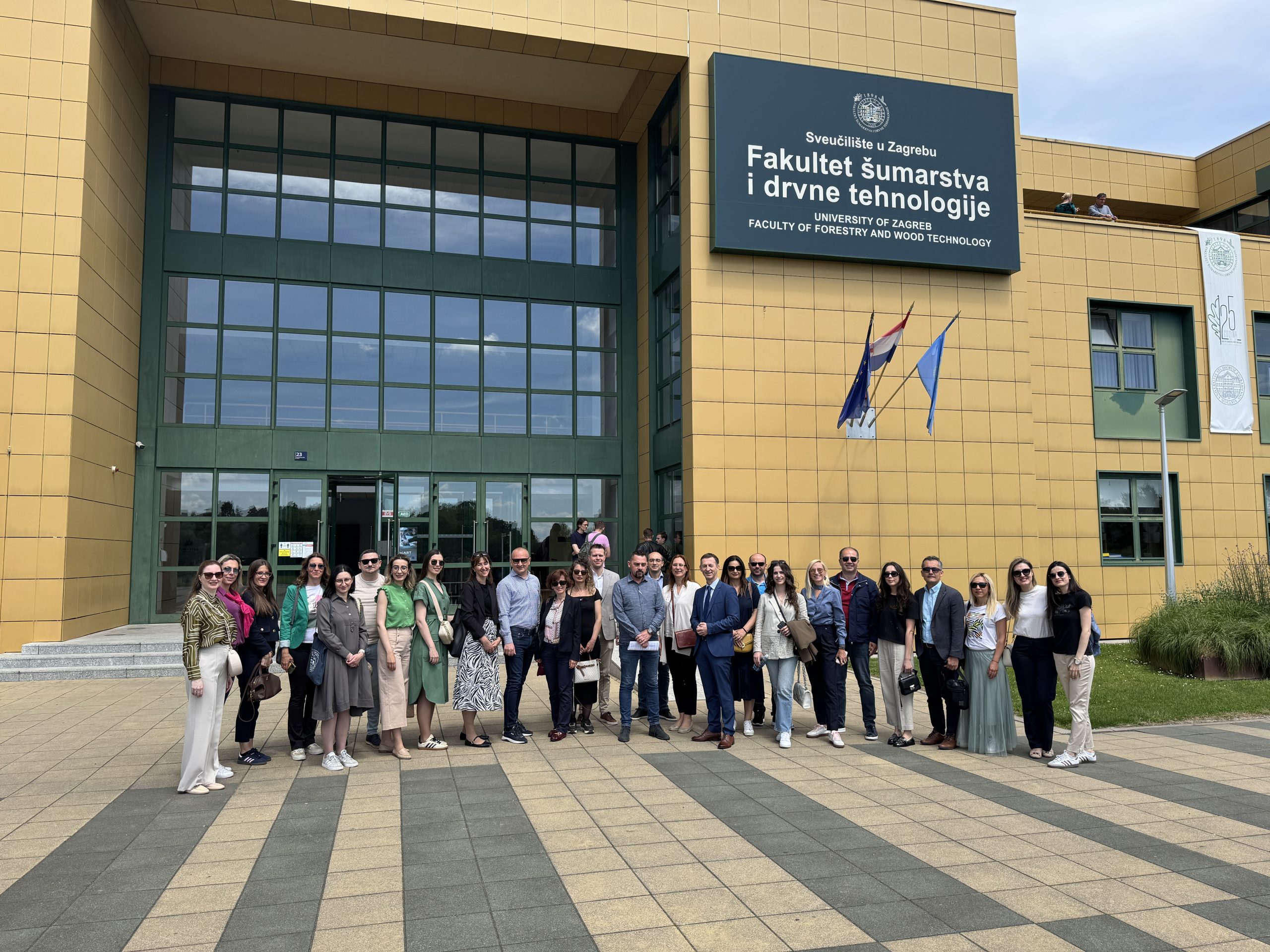
- Visited the student business incubator at the Faculty of Forestry and Wood Technology, University of Zagreb (https://www.sumfak.unizg.hr/) and discussed with the colleagues from this Faculty on different aspects of sustainability and new project opportunities.
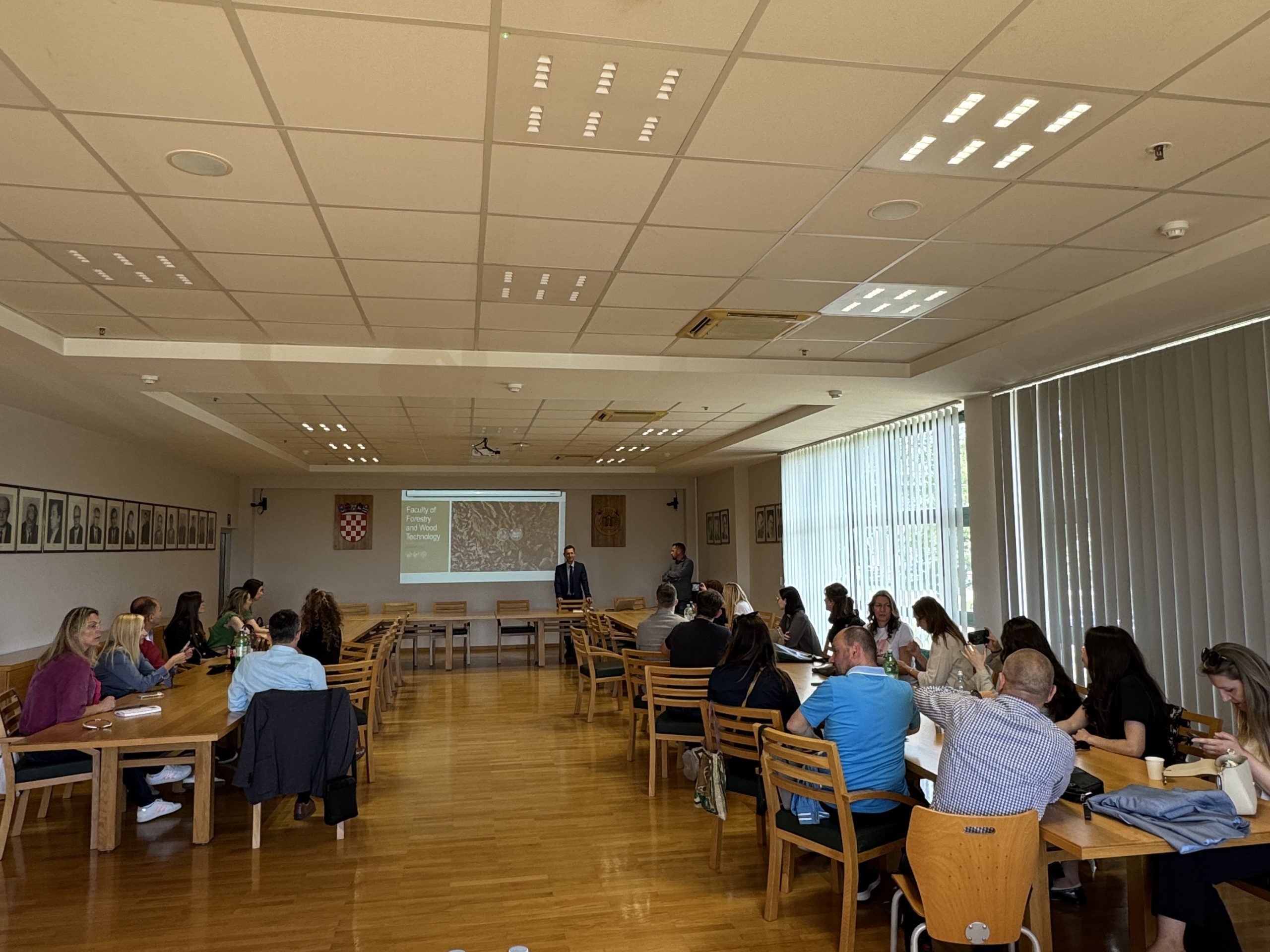
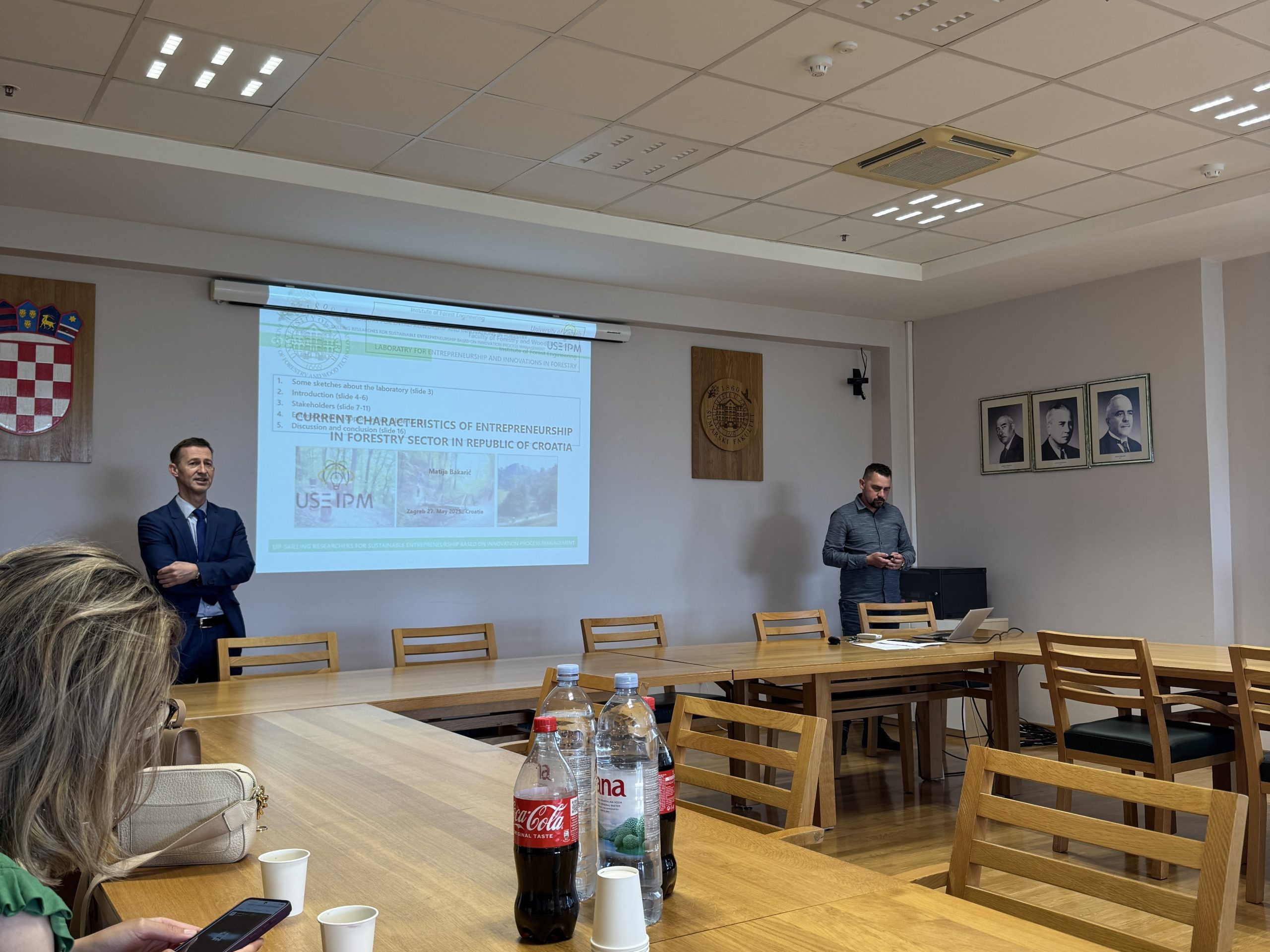
As part of the secondment, participants attended the 10th Business & Entrepreneurial Economics (BEE) Conference in Dubrovnik (28–31 May 2025), organized by IIE Samobor and hosted by the University of Zagreb incubator. The conference program, held in a hybrid format, emphasized sustainable development and industry–research collaboration. Crucially, the event included a project forum on EU funding, where representatives from Croatian EU Funds authorities and project partners presented new initiatives (e.g., a “Youth Education Program” for EU-funded project development) and offered guidance on applying for EU grants. This complemented the conference’s academic focus by highlighting practical EU resources.
The results of the USE IPM project were disseminated through eight conference papers, jointly authored by 26 researchers from partner universities and research institutions in Serbia, Albania, North Macedonia, and Bosnia and Herzegovina. The contributing authors from widening beneficiaries include Hafsa Laçi, Kozeta Sevrani, Arjan Tushaj, Brikena Leka, Eda Spahiu, Kristi Dashi, Aleksandar Naumoski, Vesna Bucevska, Todor Tocev, Jasna Tonovska, Aleksandra Janeska Iliev, Saša Petković, Jadranka Petrović, Marija Radosavljević, Elona Pojani, Milica Marić, Ljubiša Mićić, Mirjana Milijević, Milica Bogdanović, Jelena Stanković, Sandra Milanović Zbiljić, Danijela Stošić Panić, Jovana Milenović, Maja Ivanović-Đukić, Milica Ristić Cakić, and Ružica Petrović.
Across the eight papers, the authors presented empirical findings, comparative analyses, and conceptual frameworks addressing innovation process management, technology transfer, SME development and transformation, digital and green innovation, and skills development. Taken together, these contributions translate the project’s core outcomes into academically structured works that reflect its interdisciplinary scope, multi-country empirical base, and strong policy- and practice-oriented focus.


About Post Author
